

Resources Board
Discover and share resources for Japanese learning
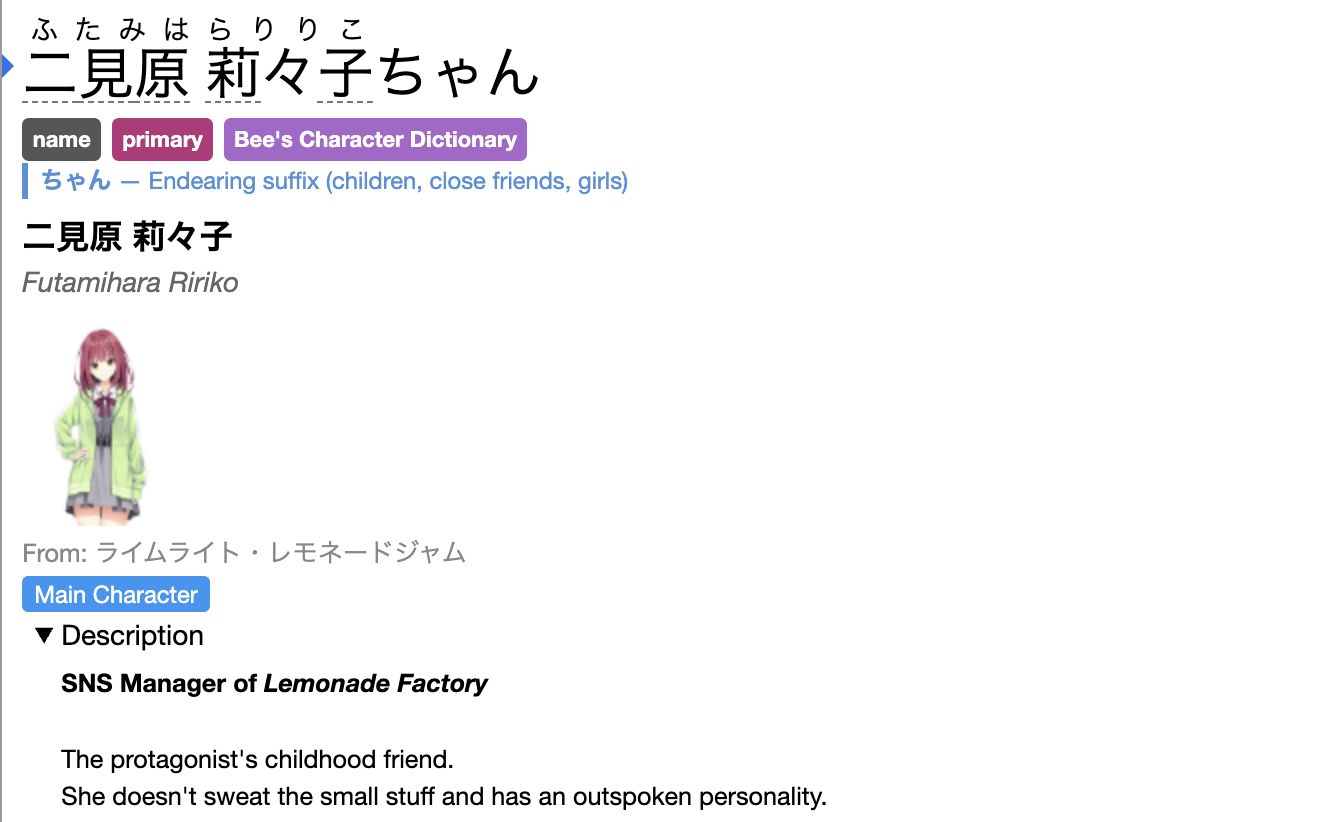 Shared by 天 Staff• 58d ago
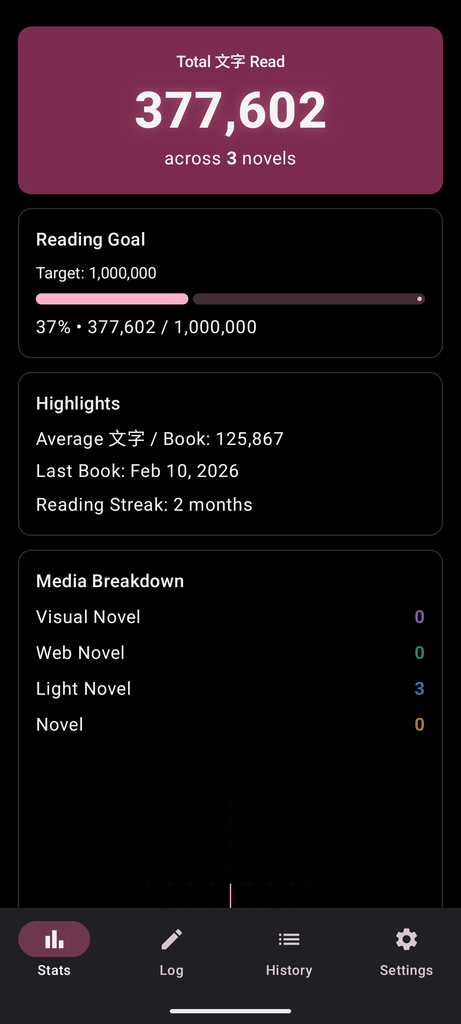 Shared by 天 Staff• 58d ago
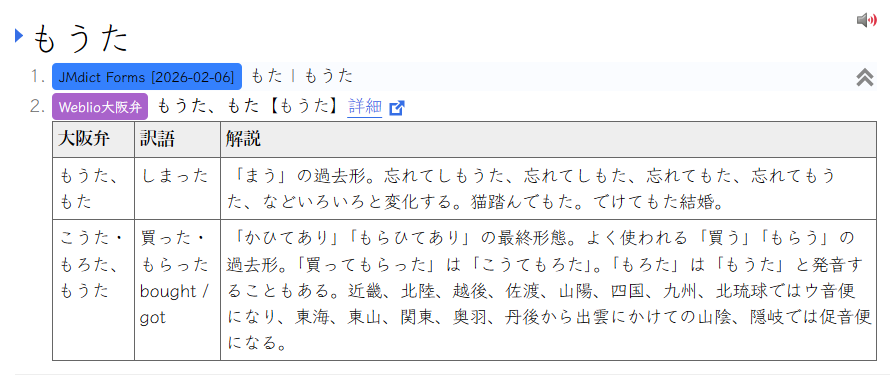 Shared by 天 Staff• 58d agoShared by 天 Staff• 58d ago
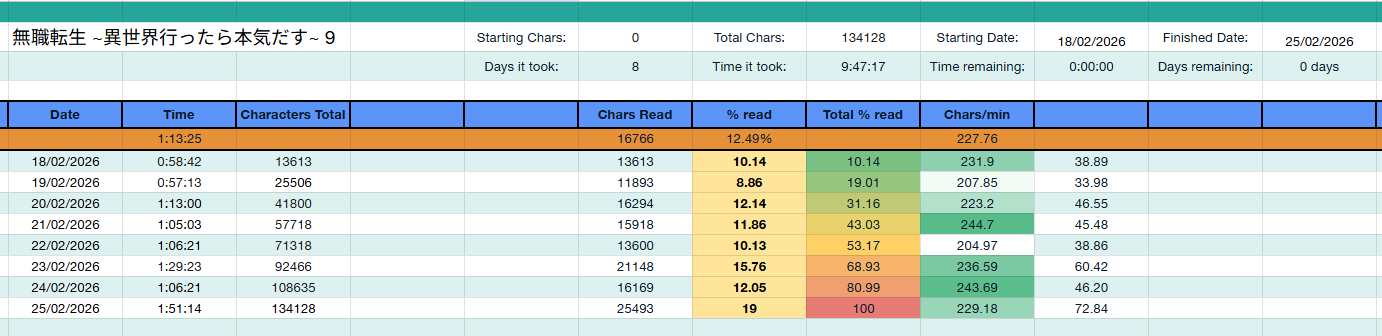 Shared by 天 Staff• 58d ago
KanaBr is a website built based on keybr.com, designed to help you practice typing Japanese kana via romaji. Key Features: Kana Typing Practice: Type hiragana and katakana using romaji input. Hiragana Recognition: Ideal for beginners learning to recognize hiragana characters. Katakana Recognition: Useful for practicing and recognizing katakana. It's a fantastic tool to improve your Japanese typing speed and character recognition!
Shared by 天 Staff• 58d agoMojikazu is a straightforward web-based utility designed specifically for counting characters in Japanese text. Whether you're a student, writer, or just need to check the length of a Japanese passage, Mojikazu provides accurate counts for: Total characters Kanji Hiragana Katakana Half-width Katakana Numbers Alphabet Symbols Spaces Simply paste your Japanese text into the input box, and Mojikazu will instantly display the breakdown of character types. It's a
Shared by 天 Staff• 58d agoJLECT is an extensive bilingual database dedicated to Japanese dialects. It serves as an invaluable resource for anyone interested in exploring the nuances, regional variations, and linguistic characteristics across Japan. Whether you're a language learner, a researcher, or simply curious about the depth of the Japanese language, JLECT offers a structured and accessible platform to dive into the world of dialects.
Shared by 天 Staff• 58d agoDiscover a new website dedicated to the etymologies of Chinese characters. Many existing resources on this topic are flawed, often ignoring basic grapholinguistic principles and modern palaeographical research. This site aims to correct that. I highly recommend reading the articles listed on the main page to understand the rigorous methodology used. Key Features: Most up-to-date scientific research with comprehensive sources Presents real character forms derived from authentic hist
Shared by 天 Staff• 58d agoThis resource provides a fast and searchable corpus compiled from training data for Large Language Models (LLMs). Key features include: Multilingual Support: Contains data in several languages. Massive Japanese Corpus: Includes a substantial 103 billion tokens of Japanese data. It's an excellent resource for researchers and developers working with LLMs, especially those interested in multilingual or Japanese language models.
Shared by 天 Staff• 58d ago Shared by 天 Staff• 58d ago
 Posted by meo343• 200d ago(Edited)
 Posted by kamperemu• 216d ago(Edited)
 Shared by 天 Staff• 242d ago
 Shared by 天 Staff• 242d ago
 Shared by 天 Staff• 242d ago
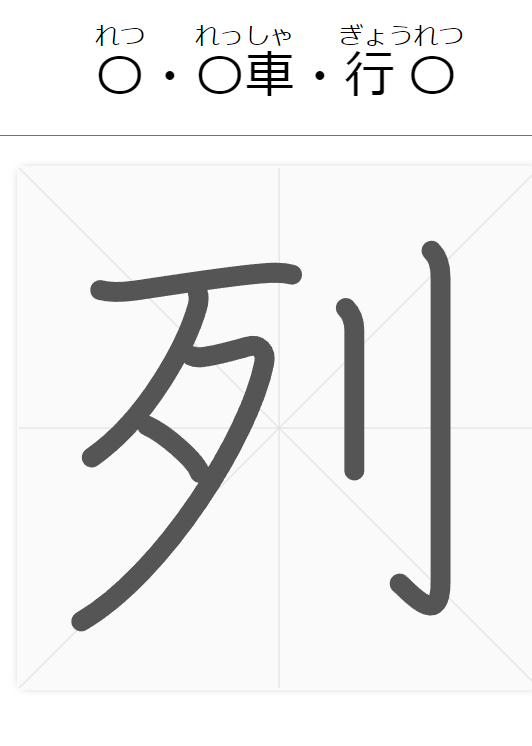 Shared by 天 Staff• 242d ago