Hiragana (ひらがな)
Basic Japanese script for native words and grammar
Katakana (カタカナ)
Used for foreign words and emphasis
Kanji (漢字)
Chinese characters used for words and nouns
Romaji (ローマ字)
English alphabet representation
Hiragana and Katakana, collectively referred as Kana, should be learned first and can be learned in 1w with websites like KanaPro.
• The recommendation is to learn only how to recognize the characters, and not to write them.
• You can use visual mnemonics on our Kana Practice page (access it through the button below) or apps such as "Hiragana Memory Hint" and "Katakana Memory Hint" by The Japan Foundation
Romaji is the romanization of Japanese and should be avoided!
Kanji will be learned together with vocabulary and grammar, get to know more in the next step!
天・Ten
A guide meant to be an intermediate between long and short guides, focusing on delivering valuable yet concise information in a well-presented format.
There are multiple ways of learning a language, this is the way we endorse to learn Japanese
₍₍⚞(˶˃ ꒳ ˂˶)⚟⁾⁾
You can learn Japanese for free here, all resources mentioned in this guide are free~
It's now time to start learning grammar, vocab and how to read Kanji! These three are meant to be learned together, especially the latter two because:
Kanji are the building blocks of words and they are big in number and not phonetically consistent like Kana, meaning that Kanji can have different ways of being read depending on the word they are used in.
As you learn more words, you will learn more Kanji readings and eventually learn how to differentiate similar Kanji as well, without the need of Meanwhile, grammar will help you understand the building blocks of sentences.
The best way of learning your first words in the language is through Anki and Immersion.

You Should Be Using Anki
Learn how to use Anki effectively to boost your language learning! This tutorial covers various Anki decks, add-ons, and settings for maximizing vocabulary acquisition.

Anki
Spaced-repetition system flashcard app
Anki reminds you of words right before you would forget them and there is an amazing deck called Kaishi 1.5k that will help you learn the most common 1500 words in Japanese. You can set an amount of cards to learn daily and, by learning new cards and reviewing them every day, you will soon start to increase your vocab efficiently.

Immersing When You Understand Nothing
Learn Japanese through immersive methods, even with zero comprehension. Trenton demonstrates how to gamify the process and build consistent habits.
📖 Immersion
The way we acquire language naturally
Surrounding yourself with the language and consuming the most native content you can is the main way we learn languages. Our brain is a pattern recognition machine and this is the way babies learn the language they grow up surrounded by. The more you immerse, the faster you will get better at the language and the easier Anki will become.
You’re probably coming across many words whose meanings you don’t know yet, but don’t worry! There is a way to quickly get to know and collect these unknown words while you keep engaged in the video, anime or book you are consuming!
Already doing Kaishi 1.5k, immersing and priming ?
Then check "Step 3: Yomitan, Mining and Clubs" of your language journey (˶˃ ᵕ ˂˶)
It's completely normal to have low comprehension when starting immersion. This is part of the natural learning process. Keep immersing, acquiring vocabulary, trusting the process and having fun!
It's important to have at least a basic understanding of grammar and it's study should be done while going through Kaishi 1.5k and immersion. Getting to know how Japanese sentences are structured (SOV), how to differentiate words, particles and verbs, will all help in improving your comprehension of the language.
We recommend Yoku.bi grammar guide, you can pick it up gradually or at your own pace throughout your learning journey and you can also explore and use additional recommended resources to help you.
What's important is to digest the material properly. If opted to not extensively study it for now, get at least a glimpse of it. You might have to look back grammar points in the future when finding a sentence you didn't understand that well
Grammar Resources

Yomitan is a pop-up dictionary web extension that allows you to look up the meaning of any word in your browser with a single click. Has also been integrated to other tools so you can also use it for games and others! One of your best companions when reading and fetching more vocabulary through mining~
Mining is the process of building your own Anki deck with your own Anki cards from sentences you encounter while reading or watching Japanese content and the SRS section will give you important information regarding Anki usage in this new phase of learning.
Clubs will teach you how to setup your immersion and mining workflow related to the clubs mediums you are interested in. It's highly recommended to start listening as soon as you can and to have a good balance between reading and listening, because the latter takes more time to develop and will help your output in the future, while reading is the main way of building your vocabulary.
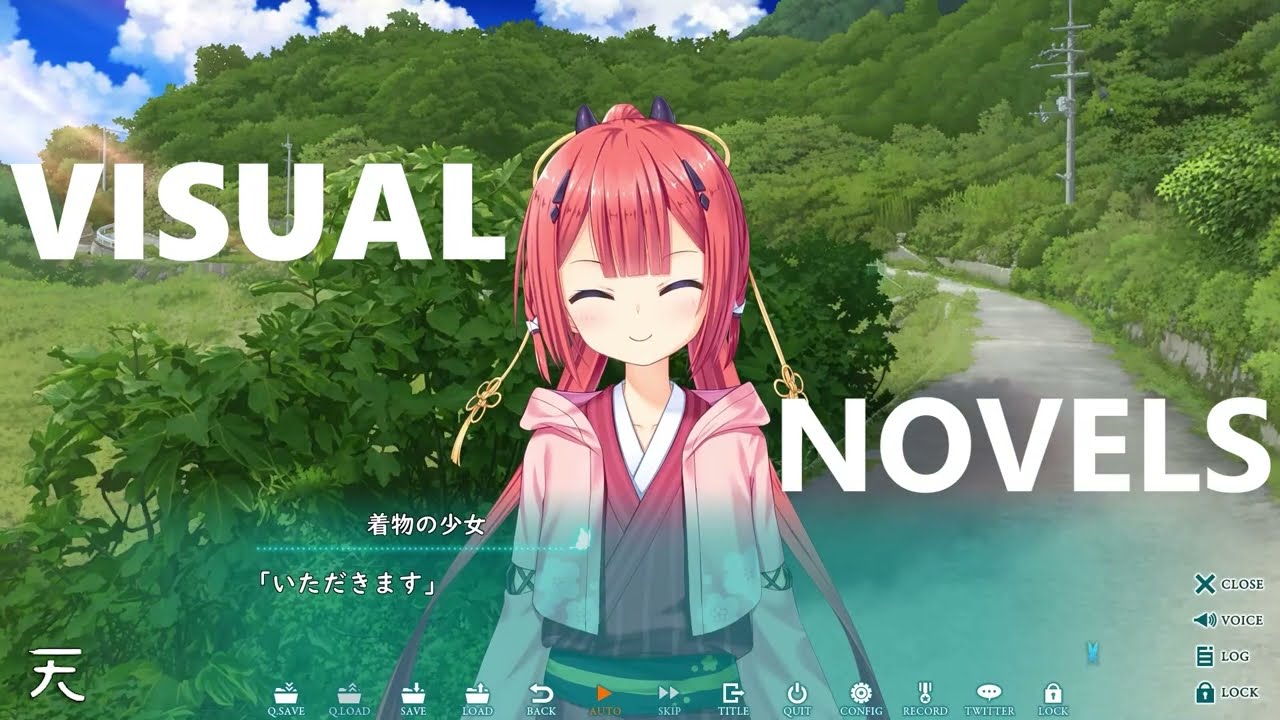


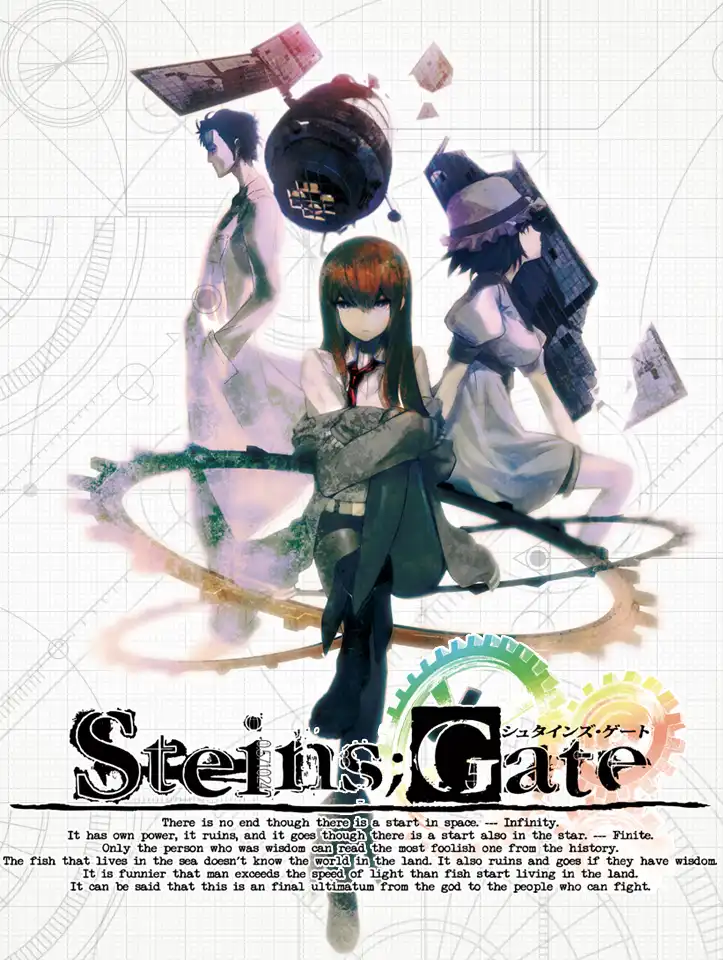


Don't be a perfectionist
The settings you will see in the setups are the ones to get you started. Be careful to not spend more time trying to figure out the best optimal settings on your own instead of actually immersing.
Move on
If it's feeling too hard, it might be better to put works that are too hard on pause for easier ones. You can still improve by consuming media at your level/slightly below it (exposure to the language is always beneficial, especially before the super advanced stage), but it is much harder to improve by consuming media that is way too hard for you. In contrast, if you see that something is too easy for you then it's nice to pick content that is a bit harder so you can keep improving and acquiring more words.
Have fun
Immerse in content that is fun to you. ₍₍⚞(˶˃ ꒳ ˂˶)⚟⁾⁾ Enjoyment is the best tool you have for learning as fast as possible, and a little difficulty is optimal. Aim for 85-90% enjoyment and 10% challenge (adjust based on your own tolerance)
Consistency
Consistent and mindful time investment are the key. It's not a race, it's a marathon.
Input (listening and reading native content) is the foundation of learning to comprehend a language and a mandatory step to learn output (the ability to create your own sentences and communicate your point across). The more input you get, the more natural and easy it will be to produce output, and practice will make you good at it!
If you struggle to express yourself naturally, don't know if what you said was correct or if you are translating from your native language to the target language in your head, it means you need more input. Having a high comprehension level means improving your output will be much easier.
Once you have a good grasp of the language to be able to identify if a sentence feels off or not, it can be a good time to start practicing output (≧ᗜ≦)
Speaking
Getting better at pitch accent and pronunciation can be done through: chorusing, shadowing and pitch accent is the way to go if you want to sound more natural. To get better at creating your own phrases, practicing first through text chatting and diary writing is a good way of getting better at it!
Writing
There are specific Anki note types and kanken decks for the ones that want to learn how to write Kanji. It can be fun to try it out, but I would only recommend it for the ones that are deep into their learning journey already.